
What is hybrid strength training is a question more athletes, fitness enthusiasts, and everyday movers are asking as they look for smarter, more sustainable ways to train. Hybrid strength training is not about chasing random workouts or trying to be good at everything at once. It is about developing multiple physical qualities in a strategic, intentional way so that strength, endurance, power, and resilience all improve together. At its core, hybrid strength training blends intelligent programming, purposeful structure, and long-term thinking to build a well-rounded, capable athlete or individual.
Defining Hybrid Strength Training
Hybrid strength training is a training approach designed to develop multiple energy systems while strategically cycling between periods of higher and lower training volume, paired with complementary higher and lower load intensities. Rather than focusing exclusively on maximal strength, conditioning, or hypertrophy, this approach balances them all within a structured plan. The goal is to improve overall fitness capacity and performance without losing sight of the client’s specific goals, whether that goal is athletic performance, longevity, body composition, or general health.
This style of training recognizes that the human body thrives on variety when it is applied with purpose. It allows athletes and active individuals to train hard while managing fatigue, reducing injury risk, and maintaining consistent progress over time.
Why Hybrid Strength Training Exists
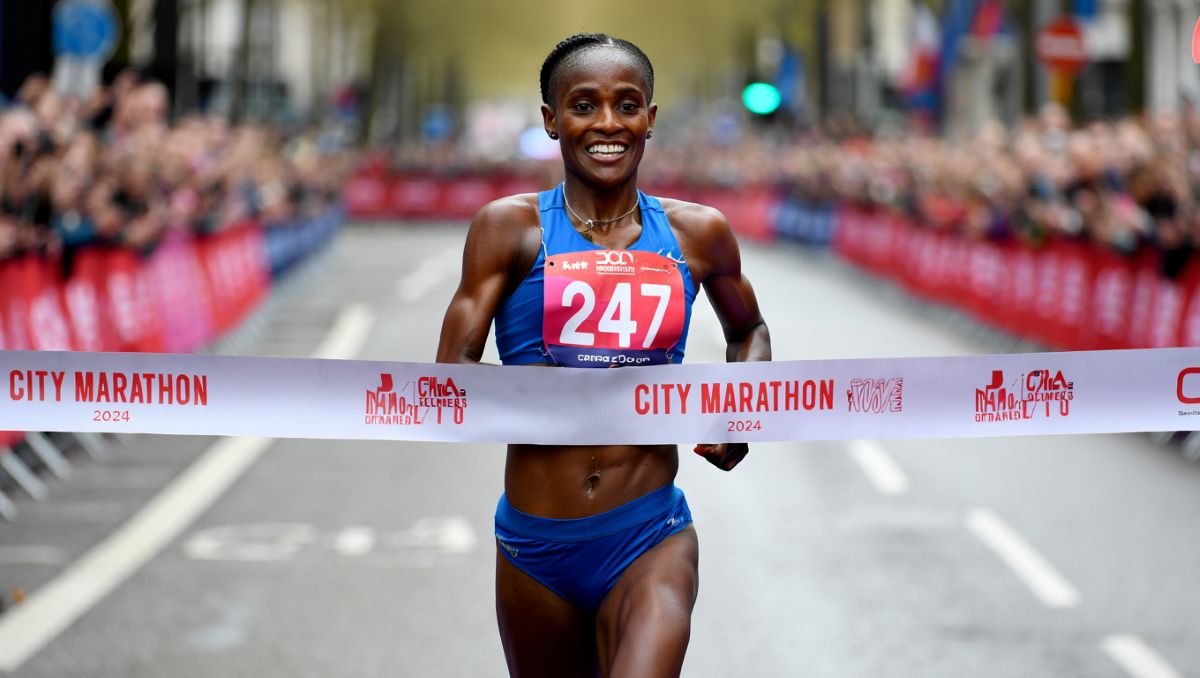
Traditional training models often emphasize one quality at the expense of others. Powerlifters may gain impressive strength but struggle with conditioning. Endurance athletes may develop strong aerobic systems while lacking strength and power. Hybrid strength training exists to bridge these gaps. It acknowledges that real-world performance and long-term health require more than one physical attribute.
Life and sport are unpredictable. Athletes need strength to produce force, endurance to sustain effort, power to move explosively, and resilience to stay healthy. Hybrid strength training prepares the body to handle a wide range of demands, making it especially valuable for athletes who compete in dynamic sports and for adults who want to feel capable in everyday life.
The Core Principles of Hybrid Strength Training
Hybrid strength training is guided by several foundational principles that separate it from random or generalized programs.
Multiple Energy System Development
The body uses different energy systems depending on the intensity and duration of activity. Hybrid strength training develops all of them in a balanced way.
- The phosphagen system for short, explosive efforts like sprinting and heavy lifts.
- The glycolytic system for moderate to high intensity work lasting up to a few minutes.
- The aerobic system for sustained efforts and recovery between bouts of work.
By training all three systems, athletes improve work capacity, recovery, and overall performance.
Strategic Volume Cycling
Volume refers to the total amount of work performed. Hybrid programs intentionally cycle volume to drive progress while managing fatigue.
- Higher volume phases may emphasize skill development, conditioning, or hypertrophy.
- Lower volume phases allow recovery while focusing on intensity, speed, or maximal strength.
This cycling helps prevent plateaus and burnout while keeping progress steady.
Complementary Load Intensities
Hybrid strength training balances heavier and lighter loads within a structured framework.
- Higher load intensities build maximal strength and neural efficiency.
- Lower load intensities improve movement quality, muscular endurance, and speed.
The combination ensures athletes stay strong without sacrificing mobility or durability.
Goal Driven Programming
Hybrid training is not one size fits all. Every plan is designed around the individual’s goals. An athlete preparing for competition will train differently from an adult focused on health and longevity, even though both benefit from the hybrid approach.
How Hybrid Strength Training Differs from Other Methods
Hybrid strength training is often misunderstood as doing everything at once. In reality, it is about sequencing and prioritization.
Unlike random high-intensity workouts, hybrid training follows a long-term plan. Each phase builds on the last, creating sustainable progress. Unlike pure specialization models, it maintains balance so no quality falls too far behind.
Hybrid strength training also differs from general fitness classes because it is individualized. Volume, intensity, and exercise selection are adjusted based on the athlete’s needs, training age, and recovery capacity.
Who Benefits from Hybrid Strength Training
Hybrid strength training is effective for a wide range of individuals.
Competitive Athletes
Athletes in team sports, combat sports, and field sports benefit from the ability to express strength repeatedly over time. Hybrid training supports speed, power, and endurance without overemphasizing one at the cost of another.
Youth Athletes
Young athletes need broad physical development. Hybrid training builds a strong foundation by teaching proper movement, developing strength safely, and improving conditioning in age-appropriate ways.
Adults and Fitness Enthusiasts
For adults who want to feel strong, energetic, and capable, hybrid strength training offers balance. It supports fat loss, muscle gain, cardiovascular health, and injury prevention in one cohesive plan.
Tactical and Physically Demanding Professions
First responders and physically demanding workers benefit from training that prepares them for unpredictable demands. Hybrid strength training builds durability and readiness.

Key Components of a Hybrid Strength Training Program
While programs vary based on goals, most hybrid strength training plans include several common elements.
Strength Training
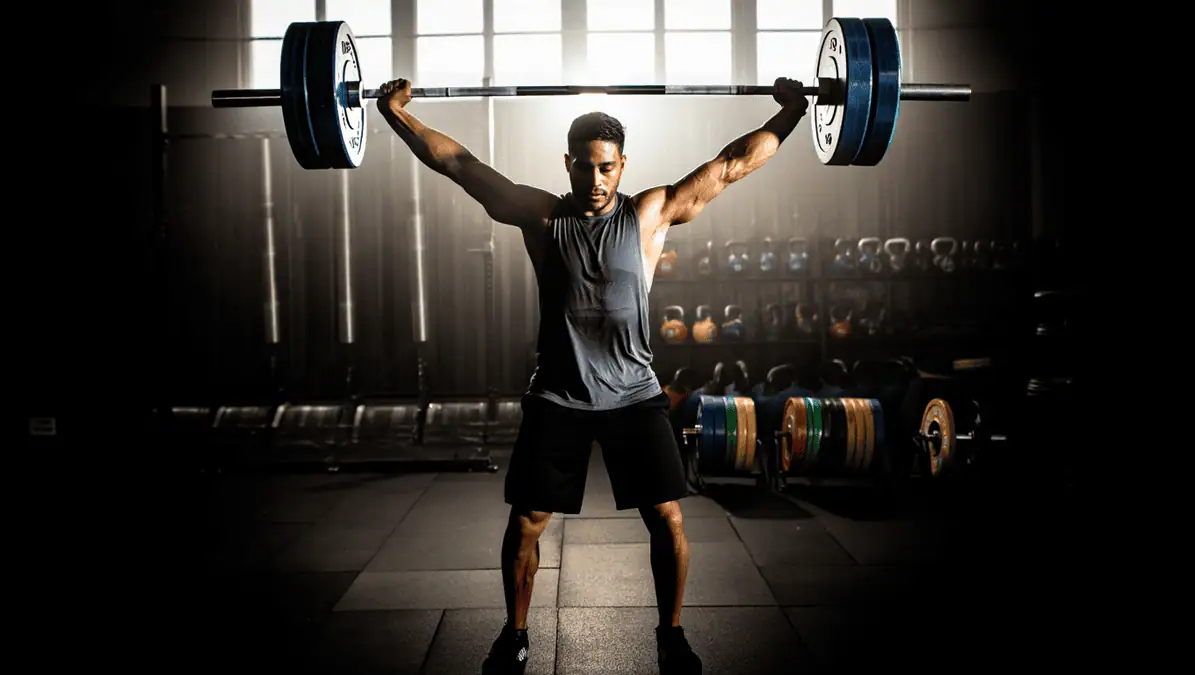
Compound lifts such as squats, presses, deadlifts, and pulls form the backbone of strength development. These movements are programmed with varying loads and rep schemes across phases.
Conditioning and Work Capacity
Conditioning sessions are intentionally designed rather than added randomly. They may include sled work, carries, circuits, intervals, or tempo runs, depending on the desired energy system focus.
Power and Speed Development
Explosive movements like jumps, throws, and Olympic lift variations improve the rate of force development. These are often performed early in sessions when the athlete is fresh.
Mobility and Recovery
Hybrid strength training values longevity. Mobility work, breathing drills, and recovery strategies are integrated to keep athletes healthy and moving well.
The Importance of Structure and Coaching
The effectiveness of hybrid strength training depends heavily on structure and coaching. Without a plan, trying to train multiple qualities can quickly lead to overtraining or stagnation.
A well-designed hybrid program answers key questions.
- What is the primary goal right now?
- How much volume and intensity can the athlete handle?
- How do different training elements support rather than compete with each other?
Experienced coaching ensures these variables are aligned. It also provides accountability, technique feedback, and ongoing adjustments as the athlete progresses.
Long-Term Sustainability and Injury Prevention
One of the greatest advantages of hybrid strength training is sustainability. By rotating emphasis and managing load, the body is less likely to experience chronic overuse injuries. Balanced development reduces weak links that often lead to breakdowns.
Hybrid training also encourages athletes to listen to their bodies and respect recovery. Progress is viewed as a long-term process rather than a short-term push.
Hybrid Strength Training at Michigan Elite Conditioning for Athletes
At Michigan Elite Conditioning for Athletes, hybrid strength training is not a trend. It is a philosophy rooted in performance, health, and purposeful coaching. Founded in 2011 by strength and conditioning coach David Lawrence, MECA was built with the mission to elevate the level of health and sports performance in Michigan by providing superior training and coaching.
MECA’s approach reflects the true definition of hybrid strength training.
- Programs are structured and intentional, not random.
- Training cycles balance volume and intensity to drive progress.
- Multiple energy systems are developed without losing focus on individual goals.
- Athletes are coached as people first, not just performers.
Whether working with youth athletes, competitive teams, or adults seeking lifelong fitness, MECA emphasizes education, accountability, and consistency. The result is stronger, more resilient athletes who are prepared for sport and life.
Why Hybrid Strength Training Works
Hybrid strength training works because it respects how the body adapts. It challenges athletes enough to stimulate growth while allowing recovery and adaptation to occur. It creates athletes who are not only strong but also conditioned, mobile, and confident in their abilities.
This approach builds trust in the process. Athletes learn that progress does not require constant exhaustion. Instead, it requires intelligent effort applied over time.
Getting Started with Hybrid Strength Training
Starting hybrid strength training begins with clarity and guidance.
- Identify your primary goal.
- Assess your current strengths and limitations.
- Commit to a structured plan rather than random workouts.
- Work with knowledgeable coaches who understand long-term development.
With the right environment and support, hybrid strength training becomes a powerful tool for transformation.
Take the Next Step With MECA
If you are ready to experience the benefits of hybrid strength training and build a stronger, more capable version of yourself, Michigan Elite Conditioning for Athletes is ready to help. With expert coaching, individualized programming, and a mission-driven approach to performance and health, MECA provides the structure and support needed for lasting results. Contact us to learn more, schedule a consultation, and take the next step toward elevated performance and lifelong strength.