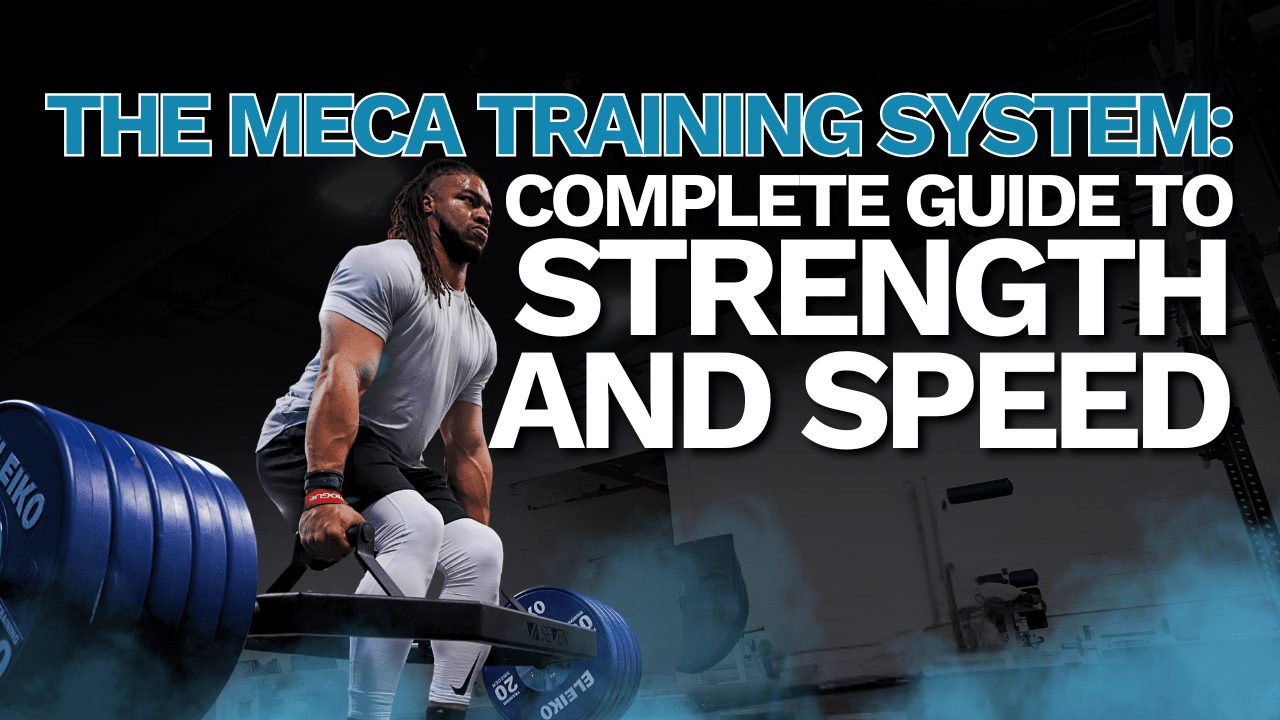

Strength training for marathon runners is one of the most influential yet often underestimated components of long-distance race preparation. Many runners focus almost exclusively on logging mileage, improving endurance, and perfecting pacing. While these elements are essential, strength work is the missing link that supports efficiency, reduces injury risk, and elevates overall performance. Incorporating thoughtful and consistent resistance training can transform how a runner feels from the first mile to the final sprint across the finish line. When properly designed, strength work enables marathoners to run farther, stronger, and with more confidence.
Why Strength Training Matters for Long Distance Athletes
Strength work helps runners build the muscular stability and resilience needed to handle high-volume pavement pounding. Strong muscles absorb impact more effectively, reducing excessive load on the joints. This is especially important for marathon preparation because as mileage climbs, so does the risk of overuse injuries. Strength training reinforces proper movement patterns, enhances neuromuscular coordination, and corrects imbalances that commonly develop from repetitive motion. Stronger legs, hips, and core muscles stabilize the body during long runs, improve posture, and prevent breakdown in form as fatigue sets in. When a runner’s body stays aligned and controlled, performance naturally improves.
Improving Running Economy with Strength
Running economy refers to the amount of energy required to maintain a consistent pace. Elite runners with exceptional economy seem to glide effortlessly even at high speeds. Strength training can significantly impact running efficiency by teaching the body to direct force more effectively. For example, stronger glute and hamstring muscles contribute to a more powerful stride, improved hip extension, and better propulsion. Core strength supports rotational control, which minimizes wasted energy. Over time, these gains translate to easier miles and the ability to sustain pace for longer durations. In a marathon, improved efficiency can mean the difference between hitting the wall and finishing strong.
Injury Prevention and Longevity
Runners know that injury is one of the biggest obstacles to successful marathon training. The repetitive impact of running creates strain patterns that can lead to shin splints, plantar fasciitis, knee pain, or hip issues. Strength training acts as a protective measure for the entire musculoskeletal system. By strengthening connective tissues and fortifying the muscles that support the joints, runners reduce their vulnerability to inflammation and breakdown. Exercises that build ankle stability, hip strength, and core control are especially effective in preventing common running injuries. Long-term consistency in training depends heavily on staying healthy, and strength work is one of the most effective insurance policies a runner can invest in.
Essential Muscle Groups for Marathoners
Several key muscle groups deserve special attention when designing a strength training program. Strong glutes are vital because they power hip extension and stabilize the pelvis. When the glutes are weak, the body compensates by overusing smaller muscles, which leads to fatigue and injury. The hamstrings support knee flexion and help maintain stride mechanics. Quadriceps play an essential role in leg drive, especially during downhill running. The core, including abdominal and lower back muscles, stabilizes the spine and maintains posture. Finally, the calves and muscles around the ankles support push off, balance, and shock absorption. A comprehensive plan should target all of these areas to create a balanced, resilient runner.
Strength Training Frequency and Timing
Many marathoners worry that adding strength training will interfere with their running performance. In reality, strength work complements training when scheduled correctly. Most distance runners benefit from two to three sessions per week. These sessions should be used in concert with their running schedule and undulate according to the mileage for that week. Coaches who have worked with marathon runners before will know when to use volume and when to use intensity to effectively train runners without burning them out. This is why working with an experienced coach can be an absolute game-changer.

As with any athlete, marathon runners must first build a solid foundation through a structural balance program. This approach identifies and strengthens the weaknesses and imbalances that often precede injury or force athletes into compensatory movement patterns—both of which reduce power output and efficiency. A properly designed structural balance program increases overall strength, decreases injury risk, reduces neural inhibition, and ultimately improves power output by restoring efficient movement mechanics.
At MECA, these limitations are identified through our Structural Balance Assessment, allowing us to individualize training and build resilient, high-performing athletes from the ground up.
Building Power for Faster Finish Times
Marathoners often think speed is something gained only through interval training or tempo runs. While running workouts are critical for building speed, strength training plays a major role in improving power and overall pace. Athletes with greater strength-to-weight ratios (relative strength) generate more force with each stride, which means they can maintain faster speeds with less effort. Building relative strength is paramount in distance running.
The Role of Recovery
Strength training provides tremendous benefits, but it must be balanced with proper recovery. Muscles grow stronger when given time to rest and repair. Runners should ensure they get adequate sleep, stay hydrated, and include mobility or stretching sessions throughout the week. Foam rolling and gentle movement help reduce stiffness after strength workouts. Proper nutrition, including protein intake, supports muscle recovery and long-term training progress. Taking rest days seriously is crucial for avoiding burnout and performing at a high level during marathon season.
How Strength Training Enhances Confidence
Beyond physical benefits, strength training also builds mental resilience. Runners often find that strength sessions make them feel more capable, powerful, and ready to tackle challenging mileage. Building physical strength creates a psychological edge that carries into long runs and race day. Confidence in the body’s ability to handle stress is one of the most important tools a marathoner can have. When runners know their muscles are strong and prepared, they approach training with greater enthusiasm and less fear of injury or fatigue.
Partnering with Experts for Optimal Results
While runners can follow basic strength guidelines on their own, working with experienced coaches ensures the most effective and personalized program. Expert coaching provides feedback on form, appropriate exercise selection, and progression tailored to each athlete’s goals. Professionals understand how to blend strength training with running volume so that marathoners build power without compromising endurance. A knowledgeable strength coach helps runners get the most out of their training time and stay motivated throughout their marathon journey.

Strength Makes the Difference
Strength training is one of the most powerful ways for marathon runners to enhance performance, prevent injuries, and feel better throughout every stage of training. A thoughtful, consistent program supports efficiency, protects the body, and builds confidence that carries athletes through every mile. Whether you are preparing for your first marathon or aiming for a personal record, adding strength work is a game-changing strategy for long-term success. If you are ready to elevate your marathon training with expert guidance, the team at Michigan Elite Conditioning for Athletes (MECA) is here to help. Founded in 2011 by strength and conditioning coach David Lawrence, MECA is dedicated to raising the level of health and performance across Michigan through exceptional coaching and individualized training. Contact us to learn how we can support your strongest and most successful marathon season yet.