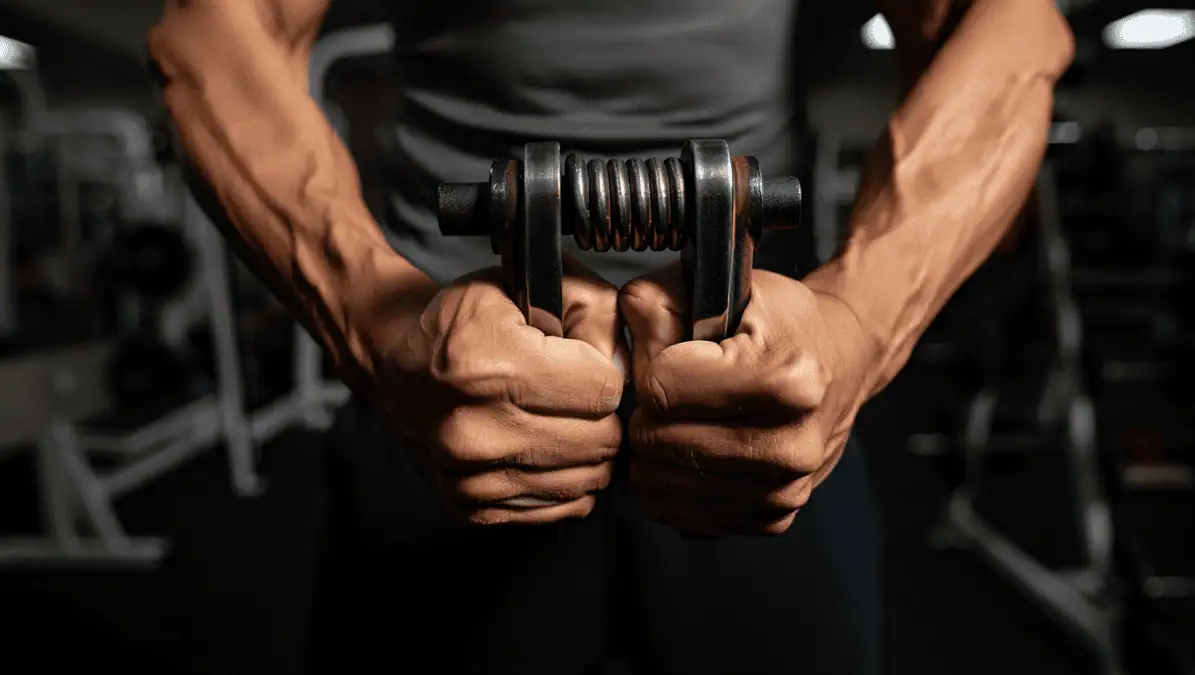

Grip strength training is often overlooked in traditional fitness programs, yet it plays a critical role in overall strength, athletic performance, injury prevention, and daily functionality. From athletes striving for competitive excellence to adults looking to maintain independence and resilience, grip strength influences how effectively the body performs and adapts. At its core, grip strength is not just about strong hands. It is about building a foundation that supports total body strength, coordination, and confidence in movement.
Understanding Grip Strength and Why It Matters
Grip strength refers to the force generated by the muscles of the hand, wrist, and forearm to hold, squeeze, pull, or stabilize an object. While it may seem isolated, grip strength is deeply interconnected with the nervous system and the larger muscle groups of the upper body and core. When grip strength improves, the body becomes more efficient at transferring force through the arms and torso.
Grip strength is commonly divided into three primary types:
- Crush grip, which involves squeezing objects like a hand gripper or barbell.
- Pinch grip, which relies on holding objects between the fingers and thumb.
- Support grip, which focuses on maintaining a hold for time, such as carrying heavy weights or hanging from a bar.
Each type contributes to functional strength and athletic success. Neglecting grip strength can limit progress in other lifts, increase injury risk, and reduce overall performance.
The Science Behind Grip Strength Training
Grip strength training engages a dense network of muscles and tendons in the forearms and hands, including the flexors, extensors, and intrinsic hand muscles. These muscles respond exceptionally well to progressive overload when trained correctly. The nervous system also plays a major role. Stronger neural connections allow for improved motor unit recruitment, which translates into more efficient force production.
Research consistently shows that grip strength correlates with overall strength levels and even long-term health outcomes. Higher grip strength has been associated with improved mobility, reduced injury risk, and greater longevity. This makes grip strength training valuable not only for athletes but also for individuals focused on long-term wellness.
Grip Strength and Athletic Performance
Athletes across nearly every sport benefit from strong grip capacity. Whether catching, throwing, grappling, swinging, or stabilizing, grip strength is often the link between intent and execution.
Key performance benefits include:
- Improved power transfer during lifts such as deadlifts, cleans, snatches, and rows.
- Enhanced control and precision in sports like baseball, softball, hockey, and lacrosse.
- Greater endurance and control for combat sports, football, and wrestling.
- Increased confidence in contact situations and competitive environments.
When grip strength fails, technique breaks down. A stronger grip allows athletes to maintain optimal mechanics longer, leading to better outcomes and reduced fatigue.
Injury Prevention and Joint Health
Grip strength training plays a major role in protecting the wrists, elbows, and shoulders. Weak hands and forearms can place excess strain on joints, tendons, and connective tissue. Over time, this imbalance increases the likelihood of overuse injuries such as tendinitis or ligament irritation.
Benefits for injury prevention include:
- Improved joint stability in the wrist and elbow.
- Better force absorption during high-impact or repetitive movements.
- Enhanced muscular balance between flexors and extensors.
- Reduced stress on the shoulder by improving distal control.
For athletes and active individuals, this resilience is essential for consistent training and long-term progress.
Grip Strength Training for Daily Life
Grip strength is not limited to sports or the gym. It directly affects daily activities such as carrying groceries, opening jars, lifting children, or performing manual tasks at work. Strong grip supports independence, confidence, and quality of life.
As people age, grip strength naturally declines if it is not trained. Maintaining grip strength can help:
- Reduce the risk of falls by improving balance and support.
- Preserve hand dexterity and coordination.
- Support bone density through regular loading.
- Maintain independence and functional capacity.
Grip strength training is a practical investment in lifelong health.

Common Grip Strength Training Methods
Effective grip strength training uses a variety of tools and techniques to target different aspects of hand and forearm strength. A comprehensive approach ensures balanced development and reduces the risk of overuse.
Popular methods include:
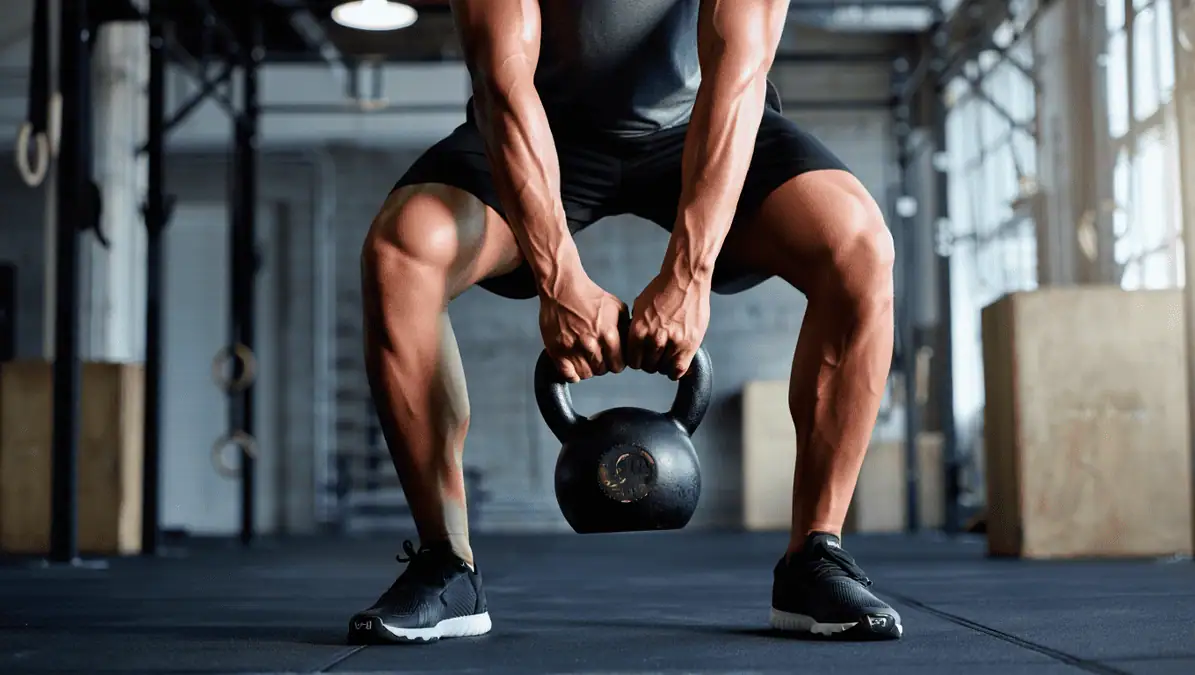
- Farmer carries with dumbbells, kettlebells, or trap bars.
- Dead hangs and pull-up variations.
- Thick bar or fat grip training.
- Plate pinches and pinch blocks.
- Hand grippers and squeeze implements.
- Towel or rope-based pulling exercises.
Each method challenges grip strength in unique ways and can be adjusted for different skill levels.
Integrating Grip Strength into a Training Program
Grip strength training does not need to dominate a workout to be effective. When programmed strategically, it complements larger lifts and athletic movements without excessive fatigue.
Best practices for integration include:
- Adding grip-focused exercises at the end of training sessions.
- Incorporating carries or hangs as part of warm-ups or finishers.
- Using grip challenges within compound movements.
- Progressing volume and intensity gradually.
Consistency is key. Small, regular doses of grip training often yield better results than sporadic high-intensity sessions.
Grip Strength Training for Youth Athletes
For young athletes, grip strength training supports proper motor development and prepares the body for more advanced training later on. When coached correctly, it is safe, effective, and highly beneficial.
Benefits for youth athletes include:
- Improved coordination and body awareness.
- Enhanced confidence in sport-specific skills.
- Reduced injury risk during growth phases.
- A stronger foundation for long-term athletic development.
Professional coaching ensures exercises are age-appropriate and aligned with overall movement quality.
The Importance of Coaching and Individualization
While grip strength training may seem simple, proper technique and progression matter. Overloading the hands and forearms too quickly can lead to strain or overuse injuries. Individual factors such as sport, age, training history, and goals must be considered.
A professionally designed program ensures:
- Balanced development across grip types.
- Safe progression tailored to the individual.
- Integration with total body training.
- Long-term sustainability and performance gains.
This is where expert coaching makes a meaningful difference.

Why Grip Strength Reflects Total Body Strength
Grip strength often acts as a limiting factor in major lifts and athletic movements. When grip improves, athletes frequently notice improvements in pulling strength, stability, and confidence under load. This connection highlights how grip strength reflects the body’s overall ability to generate and control force.
Strong hands create a stronger chain from the ground up. They enhance posture, reinforce core engagement, and support efficient movement patterns.
Building a Culture of Strength and Confidence
Grip strength training is about more than physical adaptation. It builds mental toughness, focus, and resilience. Holding heavy weight, maintaining control under fatigue, and overcoming discomfort all contribute to psychological growth.
These qualities translate directly to sports performance, training consistency, and everyday challenges. A strong grip reinforces a strong mindset.
Elevating Performance Through Purposeful Training
Grip strength training should never be an afterthought. When approached with intention and expertise, it becomes a powerful tool for improving athletic performance, preventing injuries, and supporting lifelong health. Athletes and individuals who invest in grip strength often find that it unlocks progress in areas they once struggled to improve.
At Michigan Elite Conditioning for Athletes, grip strength training is integrated into a comprehensive, science-based approach to performance. Founded in 2011 by strength and conditioning coach David Lawrence, MECA was built on the mission of elevating the level of health and sports performance in Michigan by providing superior training and coaching. Every program is designed with care, professionalism, and a deep understanding of how the body works as a complete system.
If you are ready to build real strength, enhance performance, and train with purpose, now is the time to take action. Contact us to learn more about Michigan Elite Conditioning for Athletes and discover how expert coaching and intentional training can help you or your athlete reach the next level with confidence and strength.