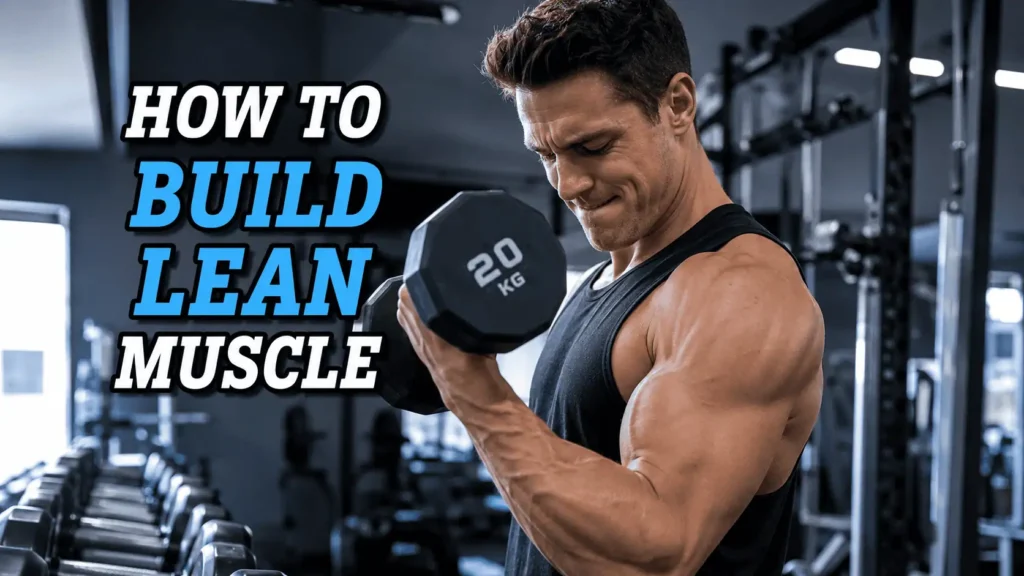
Learning how to build lean muscle is one of the best investments you can make in your long-term health, athletic performance, confidence, and overall quality of life. Whether you are an athlete looking to become stronger and faster, an adult trying to improve body composition, or someone who simply wants to feel better in daily life, lean muscle gives your body the foundation it needs to perform at a higher level. Building muscle is not about chasing quick fixes or extreme routines. It is about training with purpose, fueling your body well, recovering properly, and staying consistent over time.
What Is Lean Muscle?
Lean muscle refers to muscle tissue developed with minimal excess body fat. When people say they want to “tone up,” “get stronger,” or “look more athletic,” they are often talking about building lean muscle. It helps create a stronger, more defined physique while supporting better movement, improved metabolism, and greater physical resilience.
Muscle is active tissue, which means it plays an important role in how your body uses energy. The more lean muscle you have, the more capable your body becomes at supporting strength, stability, posture, and performance. For athletes, lean muscle can contribute to speed, power, injury resistance, and sport-specific output. For non-athletes, it can improve everyday tasks such as lifting, carrying, climbing stairs, and maintaining good posture throughout the day.
Why Building Lean Muscle Matters
Building lean muscle is not just about appearance. It is one of the most practical ways to improve how your body functions. A well-designed strength and conditioning program can help you move better, feel stronger, and support healthy aging.
Some of the biggest benefits of building lean muscle include:
- Improved strength and power
- Better athletic performance
- Increased metabolic health
- Enhanced joint support and stability
- Improved posture and movement quality
- Better body composition
- Greater confidence and energy
- Reduced risk of certain injuries
- Support for long-term health and independence
For athletes, lean muscle is especially important because it helps support explosive movement, force production, speed, agility, and durability. However, everyone can benefit from becoming stronger and more capable.
Start With a Clear Training Plan
The foundation of lean muscle development is strength training. Your muscles grow and adapt when they are challenged with enough resistance over time. This does not mean every workout needs to be exhausting or overly complicated. In fact, the best programs are structured, progressive, and specific to your goals.
A strong training plan should include compound movements that work multiple muscle groups at once. These exercises provide the greatest return on investment because they help build strength, coordination, and total-body performance.
Common compound exercises include:
- Squats
- Deadlifts
- Lunges
- Push-ups
- Bench presses
- Pull-ups
- Rows
- Overhead presses
- Hip thrusts
- Sled pushes or pulls
These movements can be adjusted for different experience levels. Beginners may start with bodyweight or light resistance, while experienced athletes may use heavier loads, advanced variations, and sport-specific progressions. The key is to train with proper form and gradually increase the challenge as your body adapts.
Focus on Progressive Overload
Progressive overload is one of the most important principles for building lean muscle. It means gradually increasing the demand placed on your muscles, so they continue to adapt.
You can apply progressive overload by:
- Increasing the weight you lift
- Adding more repetitions
- Adding more sets
- Improving exercise technique
- Slowing down the tempo
- Reducing rest time when appropriate
- Increasing training frequency
- Improving range of motion
The goal is not to do more just for the sake of doing more. The goal is to create smart, measurable progress. If you lift the same weight for the same number of reps every week without any change, your body has little reason to build additional muscle. A quality program helps you progress safely while reducing the risk of overtraining or injury.
Train With Proper Technique
Proper technique matters at every level. Good form helps you target the right muscles, reduce stress on joints, and get better results from each rep. Poor form can limit progress and increase the risk of aches, pains, or injury.
When learning a movement, focus on control before intensity. It is better to perform a lighter lift correctly than to use too much weight with poor mechanics. Over time, strong technique allows you to train harder and more effectively.
Key technique reminders include:
- Keep your core engaged during lifts
- Move through a controlled range of motion
- Avoid rushing reps
- Keep joints aligned
- Use the correct muscles for the movement
- Stop if pain changes your form
- Ask a qualified coach for feedback
This is especially important for athletes, since movement quality in the weight room can carry over into sport performance. Better mechanics can support better acceleration, deceleration, jumping, landing, cutting, and overall athletic control.
Eat Enough Protein
Nutrition plays a major role in building lean muscle. Training creates the stimulus, but food provides the raw materials your body needs to repair and grow. Protein is especially important because it supplies amino acids, which are the building blocks of muscle tissue.
Good protein sources include:
- Chicken
- Turkey
- Lean beef
- Fish
- Eggs
- Greek yogurt
- Cottage cheese
- Tofu
- Tempeh
- Beans and lentils
- Protein shakes when appropriate
Most people benefit from spreading protein throughout the day rather than eating most of it at one meal. For example, including a quality protein source at breakfast, lunch, dinner, and snacks can help support recovery and muscle growth.
Fuel Your Workouts With Quality Carbohydrates
Carbohydrates are often misunderstood, but they are important for performance. When you train hard, your body uses carbohydrates as a key energy source. If you do not eat enough carbs, you may feel sluggish, recover poorly, or struggle to increase training intensity.
Quality carbohydrate sources include:
- Oats
- Rice
- Potatoes
- Sweet potatoes
- Whole grain bread
- Fruit
- Vegetables
- Quinoa
- Beans
- Whole grain pasta
Athletes, in particular, need enough carbohydrates to support training sessions, practices, competitions, and recovery. The amount you need depends on your goals, training volume, body size, and sport demands.
Do Not Neglect Healthy Fats
Healthy fats support hormone function, joint health, brain health, and overall wellness. While protein and carbohydrates often get the most attention in muscle-building conversations, fats are also an important part of a balanced nutrition plan.
Healthy fat sources include:
- Avocados
- Olive oil
- Nuts
- Seeds
- Fatty fish
- Nut butters
- Whole eggs
The goal is balance. A diet that supports lean muscle should include enough protein, enough carbohydrates to fuel training, and enough healthy fats to support overall health.
Prioritize Recovery
Muscle growth happens during recovery, not during the workout itself. Training challenges your muscles, but rest allows your body to repair and adapt. Without enough recovery, progress can stall, and injury risk can increase.
Important recovery habits include:
- Getting consistent sleep
- Taking rest days when needed
- Managing stress
- Staying hydrated
- Eating enough total calories
- Warming up properly
- Cooling down when appropriate
- Listening to your body
Sleep is one of the most powerful recovery tools. During sleep, the body supports tissue repair, hormone regulation, immune function, and mental focus. If your goal is to build lean muscle, poor sleep can make the process much harder.
Be Consistent, Not Extreme
Building lean muscle takes time. Many people get discouraged because they expect results too quickly or try to follow extreme plans that are difficult to maintain. The most successful approach is one you can follow consistently.
You do not need to train perfectly every day. You need a plan that helps you show up, work hard, recover well, and keep improving. Small, repeated actions lead to major results over time.
Consistency looks like:
- Training several times per week
- Eating enough protein daily
- Getting enough sleep most nights
- Tracking progress
- Making adjustments when needed
- Staying patient
- Working with qualified coaches
The goal is long-term development, not short-term burnout.
Track Your Progress
Tracking progress helps you understand what is working and where adjustments may be needed. You do not have to track every detail, but paying attention to key markers can help you stay motivated and make better decisions.
Helpful things to track include:
- Strength numbers
- Workout consistency
- Body measurements
- Progress photos
- Energy levels
- Sleep quality
- Athletic performance
- Recovery
- Nutrition habits
For athletes, performance markers may also include sprint times, vertical jump, agility tests, power output, or sport-specific performance. For adults focused on health and fitness, progress may include improved strength, better movement, more energy, or clothes fitting better.
Avoid Common Muscle-Building Mistakes
Many people work hard but do not see the results they want because their plan is missing key pieces. Avoiding common mistakes can help you make better progress.
Common mistakes include:
- Not eating enough protein
- Training without a clear plan
- Changing programs too often
- Lifting with poor form
- Skipping recovery
- Doing too much cardio without enough strength training
- Not sleeping enough
- Expecting results overnight
- Ignoring mobility and movement quality
- Training hard but not progressing over time
A knowledgeable coach can help you avoid these mistakes by creating a structured plan, teaching proper technique, and making adjustments based on your goals and progress.
Strength Training for Athletes
Athletes need lean muscle that improves performance, not just muscle for appearance. A strong athlete must be able to produce force, absorb force, move efficiently, and stay durable throughout a season. That requires a smart strength and conditioning program designed around the demands of the sport.
Athletic training may include:
- Strength development
- Power training
- Speed and agility work
- Mobility
- Stability
- Conditioning
- Injury risk reduction
- Recovery strategies
- Sport-specific movement preparation
The best athletic programs are not random workouts. They are planned systems that help athletes build the qualities they need to perform at their best.
Strength Training for Adults
Adults who want to build lean muscle also benefit from structured coaching. Whether your goal is to feel stronger, improve body composition, reduce pain, or stay active for years to come, strength training can be life-changing.
A smart adult training program should be safe, challenging, and personalized. It should account for your current fitness level, injury history, schedule, goals, and lifestyle. With the right guidance, adults of many ages and experience levels can build strength, improve movement, and feel more confident in their bodies.
FAQ
How long does it take to build lean muscle?
Most people can begin to feel stronger within a few weeks, but visible muscle changes usually take several months of consistent training, nutrition, and recovery.
How many days per week should I strength train?
Many people do well with three to four strength training sessions per week. Athletes or experienced lifters may need a more customized schedule based on sport demands and recovery.
Do I need to lift heavy weights to build lean muscle?
You need enough resistance to challenge your muscles. Heavy weights can help, but beginners can build muscle with lighter weights, bodyweight exercises, and proper progression.
Can I build lean muscle and lose fat at the same time?
Yes, especially if you are newer to strength training or returning after a break. The best approach includes strength training, adequate protein, smart nutrition, and consistency.
Is cardio bad for building muscle?
No. Cardio can support heart health and conditioning. The key is balancing cardio with strength training, nutrition, and recovery so it does not interfere with muscle growth.
What should I eat after a workout?
A post-workout meal or snack should usually include protein and carbohydrates. Examples include Greek yogurt with fruit, chicken with rice, eggs with toast, or a protein shake with a banana.
Why am I not building muscle even though I work out?
Common reasons include not eating enough, not getting enough protein, poor sleep, lack of progressive overload, inconsistent training, or using improper form.
Should athletes train differently than non-athletes?
Yes. Athletes need programs that support sport performance, speed, power, mobility, durability, and seasonal demands. A qualified strength and conditioning coach can help create the right plan.
Build Strength With Expert Coaching at MECA
If you are ready to build lean muscle, improve performance, and train with purpose, we can help. Founded in 2011 by strength and conditioning coach David Lawrence, we are committed to elevating the level of health and sports performance in Michigan by providing superior training and coaching. Whether you are an athlete striving to reach the next level or an adult looking to become stronger, healthier, and more confident, we offer the expert guidance, structure, and support needed to help you succeed. Contact us today to learn more and take the next step toward becoming stronger, more powerful, and better prepared for whatever comes next.